
-
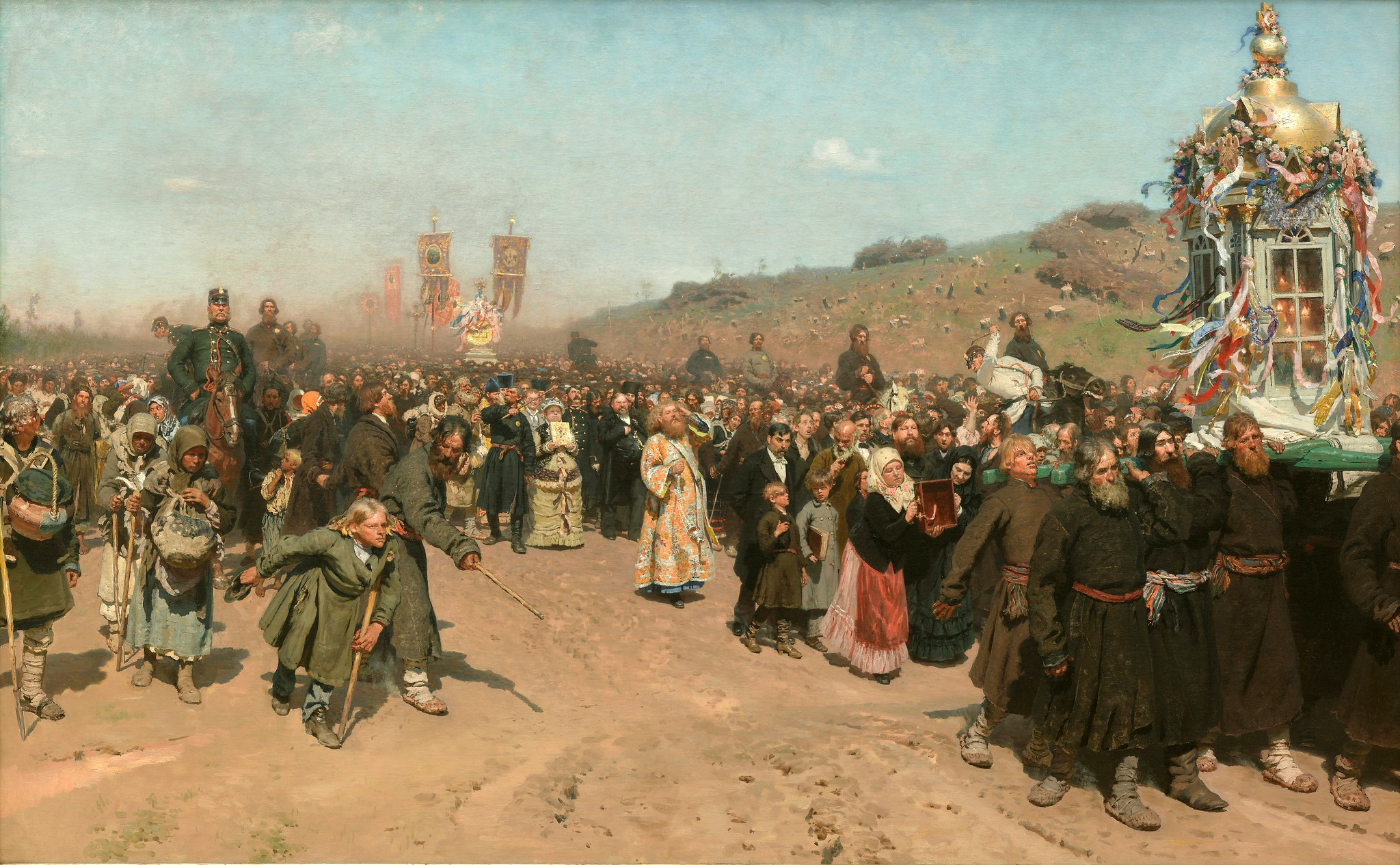 Sacred Ecosystems. Images of Devotion, Performances and the Environment (4th–20th century)
Vol. 15 (2026)
Sacred Ecosystems. Images of Devotion, Performances and the Environment (4th–20th century)
Vol. 15 (2026)The purpose of this thematic issue is to propose a detailed reflection on the interaction between sacred and profane cult images, their performative life, and their integration into the various “ecosystems” in which they exist.
The starting point of the present reflection is the notion of “iconic presence”, defined as an encounter between the viewer and the subject of worship mediated through an image, as proposed by Hans Belting. Furthermore, it still seeks to explore the importance of movement in creating such a state of “presence.” Whether it is the movement of the viewers who approach it, or the movement of the image itself, the hypothesis we want to explore here is how the movement itself contributes to the symbolic power of these images. “Presence” and “movement” then become the prerequisites for the main hypothesis of this volume i.e. that the power of mobile “devotional” images increases through their interaction with surrounding landscapes and cityscapes: processions within a rural perimeters, urban processions, images carried into battle, images that sanctify (and fertilize) fields with their presence, and images presented in the built-up area (e.g. celebrating the rulers) are at the heart of the reflection we wish to propose here.
We should add to this general question the decision to follow an extremely longue durée. From the perspective of visual studies and art history, such a perception is even more pertinent if we take into consideration selected expressions of the life of the “devotional” images, which, by all evidence, maintain premodern patterns throughout modernity and up to the beginning of the 20th century. Russian and Greek panel paintings – so-called “icons” and the most popular and thus reproduced devotional images in the Latin West – can be evocative in this regard, such as the Roman Acheiropoieta or the Salus Populi Romani. These images spread during the Counter-Reformation to all of Catholic Europe and then, thanks mainly to Catholic missions, to the colonies. Their acculturated presence was thus the origin of a rituality imposed by colonial oppression, but also, to a certain extent, a mirror of native traditions.
This volume is especially interested in questions such as (but not limited to) the following: ‘How were devotional images constructing ritual “ecosystems” in the Mediterranean space and beyond? How did these “devotional” images survive and transform after important moments of mass conversion and reconversion (including the counterreformation, colonization, the fall of the empires, and the conversion to socialism and communism)? What was the attitude of the authorities towards “devotional” images? Do these attitudes differ depending on time and space? How did elite image-conceivers and makers adapt their language in order to create effective “devotional” images to convey social, political, or religious messages?
-
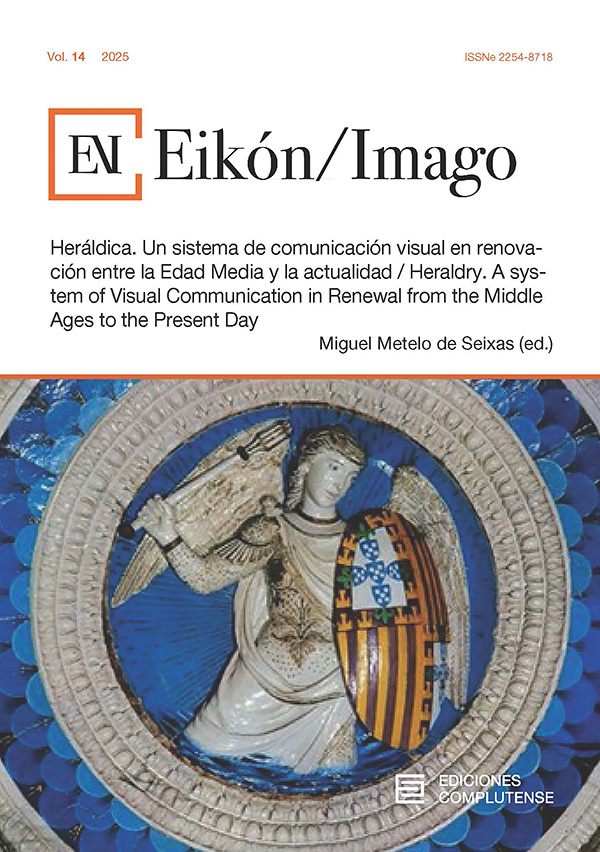 Heraldry. A system of Visual Communication in Renewal from the Middle Ages to the Present Day
Vol. 14 (2025)
Heraldry. A system of Visual Communication in Renewal from the Middle Ages to the Present Day
Vol. 14 (2025)Special Guest Editor: Miguel Metelo de Seixas
-
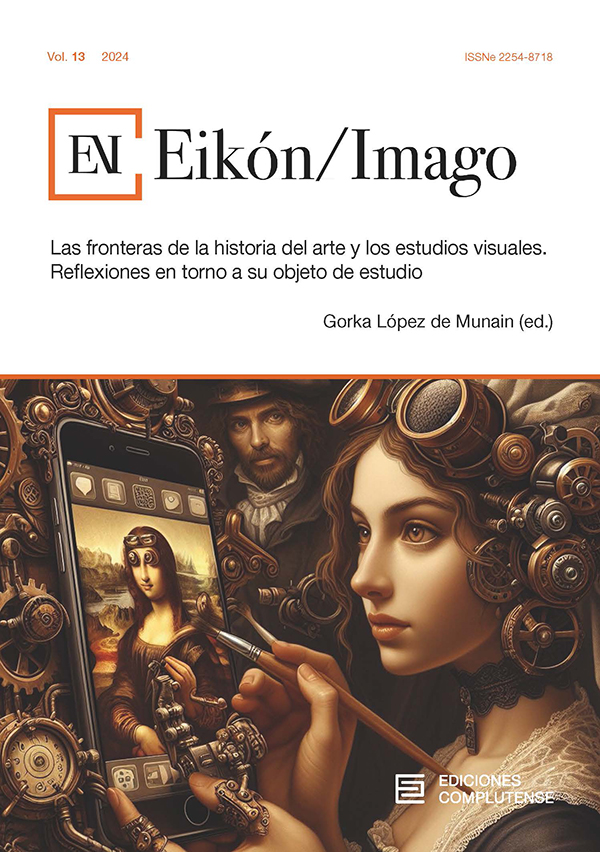 The Frontiers of Art History and Visual Studies. Thoughts on their Object of Study
Vol. 13 (2024)
The Frontiers of Art History and Visual Studies. Thoughts on their Object of Study
Vol. 13 (2024)The Frontiers of Art History and Visual Studies. Thoughts on their Object of Study
Special Guest Editors: Gorka López de Munain -
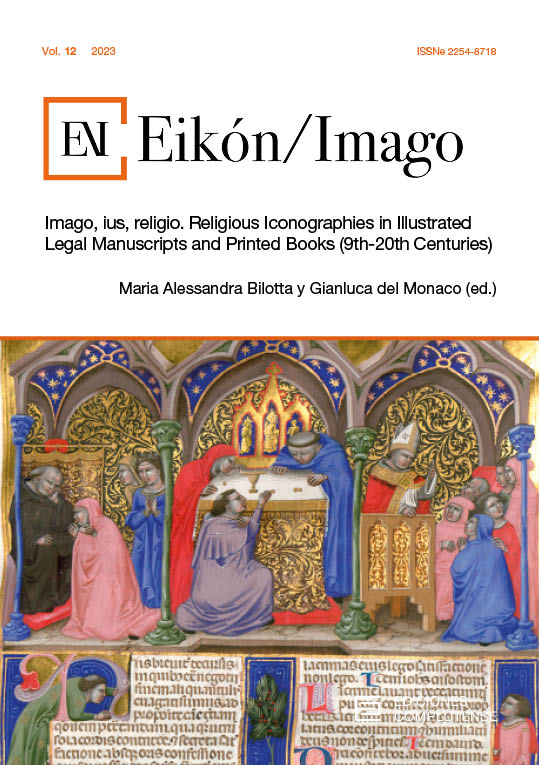 Imago, ius, religio
Vol. 12 (2023)
Imago, ius, religio
Vol. 12 (2023)Religious Images in Illustrated Legal Manuscripts and Printed Books (9th-20th Centuries)
Special Guest Editors: Maria Alessandra Bilotta (Universidade Nova de Lisboa) y Gianluca del Monaco (Università di Bologna) -
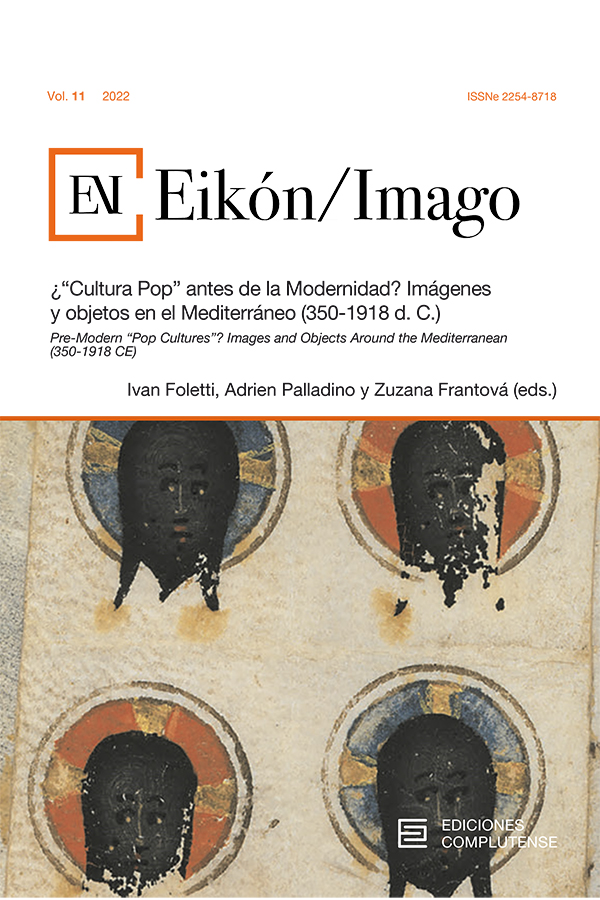 Pre-Modern "Pop Cultures"?
Vol. 11 (2022)
Pre-Modern "Pop Cultures"?
Vol. 11 (2022)Images and Objects Around the Mediterranean (350-1918 CE)
Special Guest Editors: Ivan Foletti, Adrien Palladino and Zuzana Frantová
-
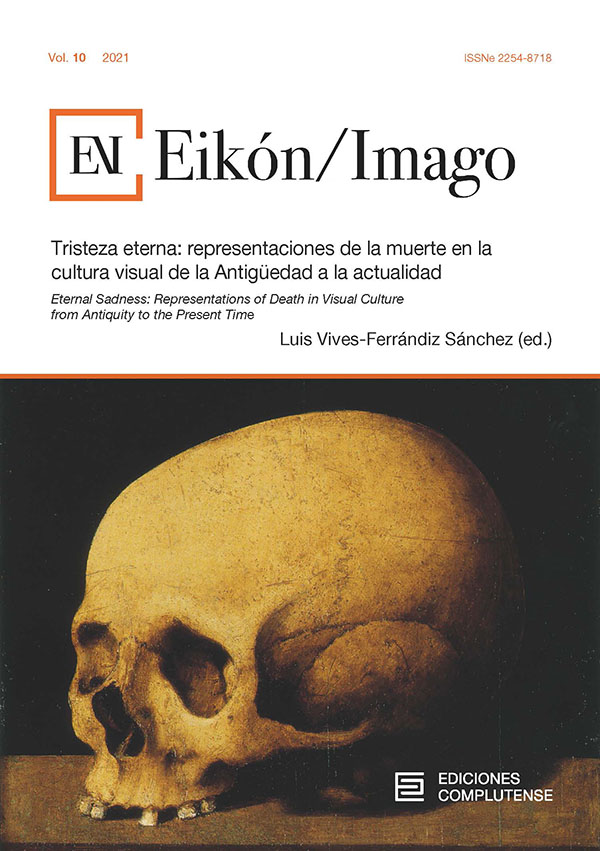 Eternal Sadness
Vol. 10 (2021)
Eternal Sadness
Vol. 10 (2021)Representations of Death in Visual Culture from Antiquity to the Present Time
Special Guest Editor: Luis Vives-Ferrándiz Sánchez
The idea of death has been present, since its inception, in visual culture and in the art of different times and spaces. The awareness of the end and the expiration of life have led to reflections of the human being on death and the meaning of existence that have been reflected in images of various forms and materials. The relationships between death and the image have been very fruitful throughout history and have been concretized in themes, ideas, and notions that unfold in the different possibilities of visual culture from Antiquity to the contemporary world. From the representations and personifications of this to the reflections on the passage of time and the fleetingness of the life of the thought of the vanitas, death is a subject treated from different perspectives and sensibilities in the culture that has even been introduced on the web 2.0 and the internet.
-
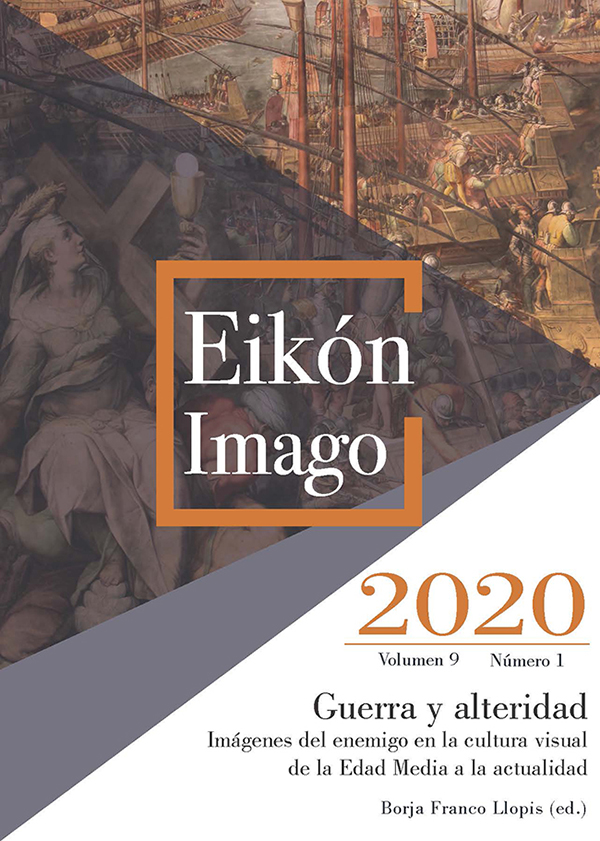 War and Otherness
Vol. 9 (2020)
War and Otherness
Vol. 9 (2020)Images of the enemy in the visual culture from the Middle Ages to nowadays
Special Guest Editor: Borja Franco Llopis
-
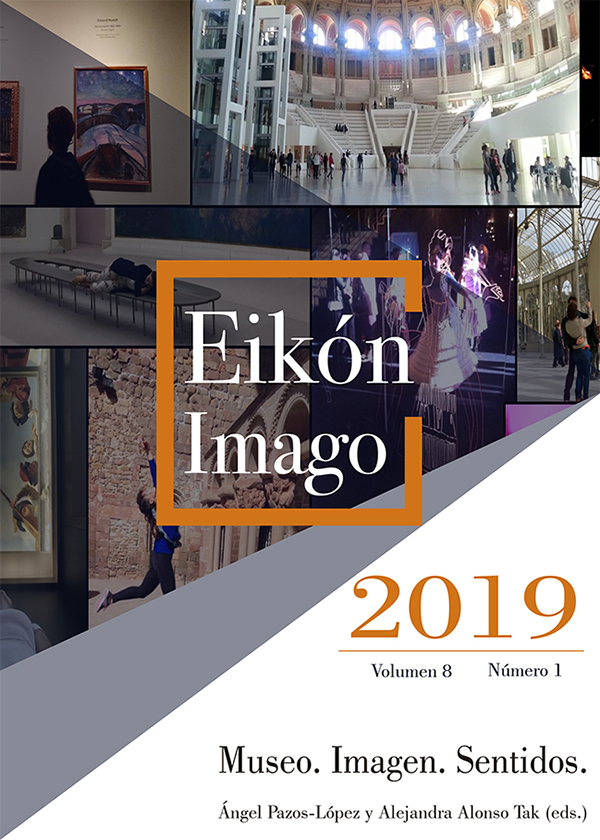 Museum. Images. Senses
Vol. 8 (2019)
Museum. Images. Senses
Vol. 8 (2019)Special Guest Editors: Ángel Pazos López y Alejandra Alonso Tak
The thematic issue examines, through a score of scientific articles, the relationships between visual and sensory experience in museums. To do this, it brings together works related to art history, visual theory, communication, cultural and social action in museums, as well as new museum projects that aim to bring art closer to a growing diversity of people.
-
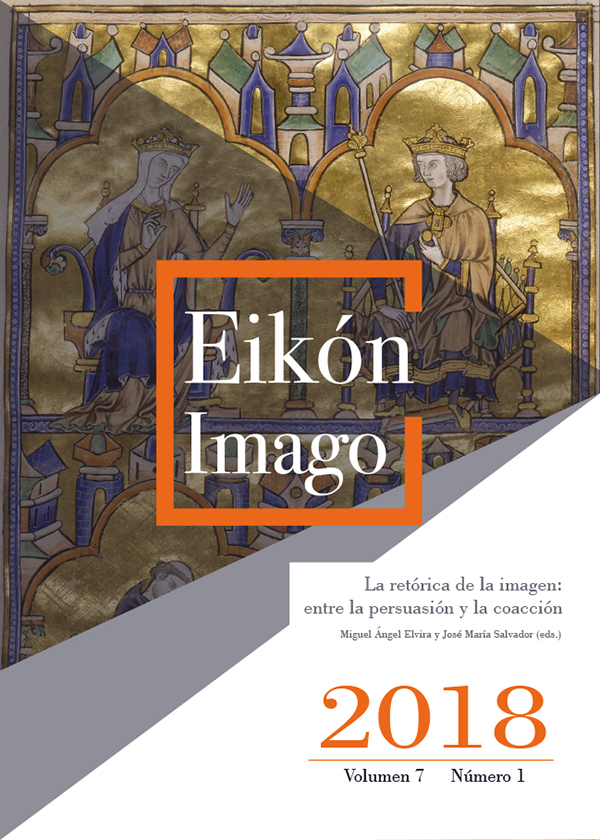 The Rhetoric of the Image
Vol. 7 (2018)
The Rhetoric of the Image
Vol. 7 (2018)Special Guest Editors: Miguel Ángel Elvira Barba y José María Salvador González